

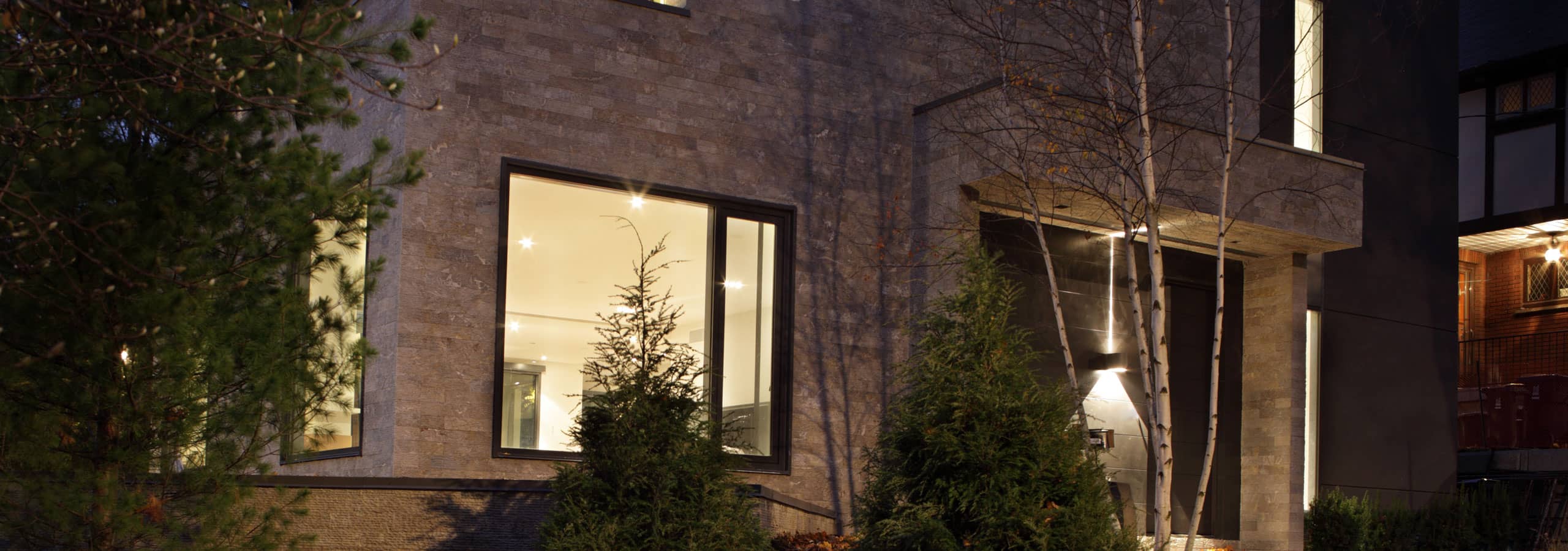
Welcome To North Toronto
North Toronto is the broad midtown stretch up the Yonge corridor, centred on Yonge and Eglinton and running north toward Lawrence. It is two neighbourhoods in one body: the high-rise, transit-fed, after-work-crowd core right at Yonge and Eglinton, and the leafy detached and semi streets that spread east and west off Yonge a few blocks in either direction. You can live in a 50-storey tower above a subway station or in a 1930s house with a backyard, sometimes on the same block’s sightline.
The defining recent change is transit. As of February 2026 the Eglinton Crosstown (Line 5) is running, crossing the Yonge line at Eglinton station after roughly fifteen years of promises and torn-up road. For a neighbourhood that was already one of the most transit-rich outside downtown, that is a meaningful upgrade, and it is reshaping how people weigh living up here versus closer to the core.
Properties For Sale
North Toronto FAQs
It is the midtown area around Yonge and Eglinton, broadly running up Yonge toward Lawrence and spreading a few blocks east and west. It borders Davisville Village to the south, Lawrence Park to the north, and the Yonge Eglinton core sits right at its heart.
It splits sharply by housing type. As a rough guide: condos and lofts, the bulk of what trades at Yonge and Eglinton, run from around the mid $500Ks for a one-bedroom up to roughly $1.5M for larger units; semi-detached houses on the side streets generally run from around $1.4M to the low $2Ms; and detached homes typically start around $1.8M and climb past $3M on the better streets. See the live statistics block below for the current quarter’s exact figures, or browse current North Toronto listings.
Yes, with a caveat. The house pockets east and west of Yonge are solid family streets with good schools and parks, and Eglinton Park anchors the area. The condo core itself skews to young professionals and downsizers more than families, so it depends which North Toronto you are buying into.
This is the area’s strong suit. The Yonge subway runs straight to the core in about 15 to 20 minutes from Eglinton station, and the new Eglinton Crosstown (Line 5), open since February 2026, now runs east-west across it. Few midtown neighbourhoods commute as easily.
The core around Yonge and Eglinton is genuinely walkable, with the Yonge Eglinton Centre, groceries, restaurants and the subway all at the corner. The further you get onto the residential side streets, the more it becomes a walk-to-Yonge-then-do-everything setup, which most people are happy with.
In the condo core, street parking is tight and you will want a spot with your unit. On the house streets it is more manageable, with driveways common. The closer you live to the Yonge and Eglinton intersection, the more parking becomes a real consideration.
Around the Neighbourhood
Cultural landmarks: the Yonge Eglinton Centre at the corner is the commercial heart, with shopping, a cinema and the subway underneath, and the area sits at the centre of Midtown, one of Toronto’s main hubs outside downtown.
Hot local spots: Yonge north of Eglinton does the eating, with Grazie Ristorante at 2373 Yonge, a local Italian institution since 1990, and Pai Northern Thai Kitchen’s uptown room at 2335 Yonge, plus the steady run of cafes, restaurants and the new arrivals that follow the subway crowd.
Parks & green space: Eglinton Park, just west of the core, is the main green space, with sports fields, tennis, a summer pool, a rink and the North Toronto Memorial Community Centre at 200 Eglinton West, and Sherwood Park and the ravine trails sit a little further north.
Your Typical Neighbour
North Toronto’s official core, the City’s Yonge-Eglinton neighbourhood, had a population of 12,400 in the 2021 Census and reads young, highly educated and professional: a high share of residents hold a bachelor’s degree or higher, and most live in apartments and condos rather than houses, with a much smaller share in detached homes. The picture shifts as you move off Yonge onto the house streets, where it gets more family-heavy and owner-occupied, but the core itself is renter-and-condo, downtown-adjacent in feel, and built around the subway. Incomes run above the Toronto median across the area.
Source: City of Toronto Neighbourhood Profile, Yonge-Eglinton (Neighbourhood 100), 2021 Census
What We Love
The transit, first and foremost: you are on the Yonge line, and now the Crosstown too, which is hard to beat in midtown. The core gives you a real urban setup, groceries, restaurants, a cinema and the subway all at one corner, while the side streets a few blocks off Yonge give you trees, backyards and good schools. Eglinton Park covers the family and recreation side, and the eating along Yonge has held up, with longtime rooms like Grazie still going strong alongside newer arrivals. It is one of the few places you can genuinely choose between a tower and a house in the same neighbourhood.
What We Don't Love
Density and construction. Yonge and Eglinton has been one of the most intensely built-up corners in the city, with towers like the 50-storey projects around Roehampton and Redpath still going up, so noise, cranes and traffic are part of the deal in the core. The years of Crosstown work left their mark on Eglinton, and while the line is open, the street is still busy and settling. And the condo core can feel more transient than neighbourly… if you want a tight-knit street, buy into the house pockets, not the towers.
Real Estate
North Toronto is really two markets. The Yonge and Eglinton core is condo territory, a wall of mid- and high-rise buildings old and new, with fresh towers still completing around Roehampton, Redpath and Berwick, which keeps a steady supply of units and makes this one of the more attainable ways into midtown. Off Yonge, east and west, you get the house stock: detached and semi-detached homes from the 1910s through the 1940s on proper lots, with some teardowns and rebuilds mixed in. House inventory is tight and competitive, condo inventory is deeper. Which side you shop changes the experience completely. New to the market? Start with our First-Time Buyer guide.
(Current prices and days on market appear in the live statistics block below, updated quarterly.)
Schools
ELEMENTARY SCHOOLS
John Ross Robertson Jr Public School
St. Monica Catholic School
SECONDARY SCHOOLS
North Toronto Collegiate
Urban International
For school rankings and Fraser Institute scores, see our interactive Toronto school map.
Transit
This is the headline. The Yonge subway runs through the core at Eglinton station, putting downtown about 15 to 20 minutes away, and as of February 2026 the Eglinton Crosstown (Line 5) is running east-west and crossing the Yonge line right here after years of construction. Surface buses fill in along Eglinton and the side streets. By car, Yonge runs straight downtown and Avenue Road and Mount Pleasant give alternates, with the Allen Road and the 401 reachable to the north. For transit, few midtown neighbourhoods do better.
Property Statistics in North Toronto
Detached Houses - Statistics
Q2 2026
$2,449,000
Average Price
37
New Listings
15
Properties Sold
12
Average Days on Market
102%
% of Asking Price
semi-detached - Statistics
Q2 2026
$1,628,000
Average Price
5
New Listings
3
Properties Sold
40
Average Days on Market
94%
% of Asking Price
townhome - Statistics
Q2 2026
N/A
Average Price
2
New Listings
1
Properties Sold
N/A
Average Days on Market
N/A
% of Asking Price
Condos - Statistics
Q2 2026
$530,000
Average Price
34
New Listings
14
Properties Sold
29
Average Days on Market
99%
% of Asking Price
All Properties - Statistics
Q2 2026
$1,531,351
Average Price
84
New Listings
35
Properties Sold
21
Average Days on Market
101%
% of Asking Price
Source: TRREB Statistics
Want To Learn More About North Toronto?
Reach out below and we'll be in touch right away.